Bodily Fluid Cleanup
Bodily fluid cleanup and disinfection for homes, care settings and businesses.
See bodily fluid cleanupGet blood, bodily fluids, human waste, sharps and contaminated materials removed from a jail, holding cell, booking room or detention area in Sunrise East after authorized staff release the space.
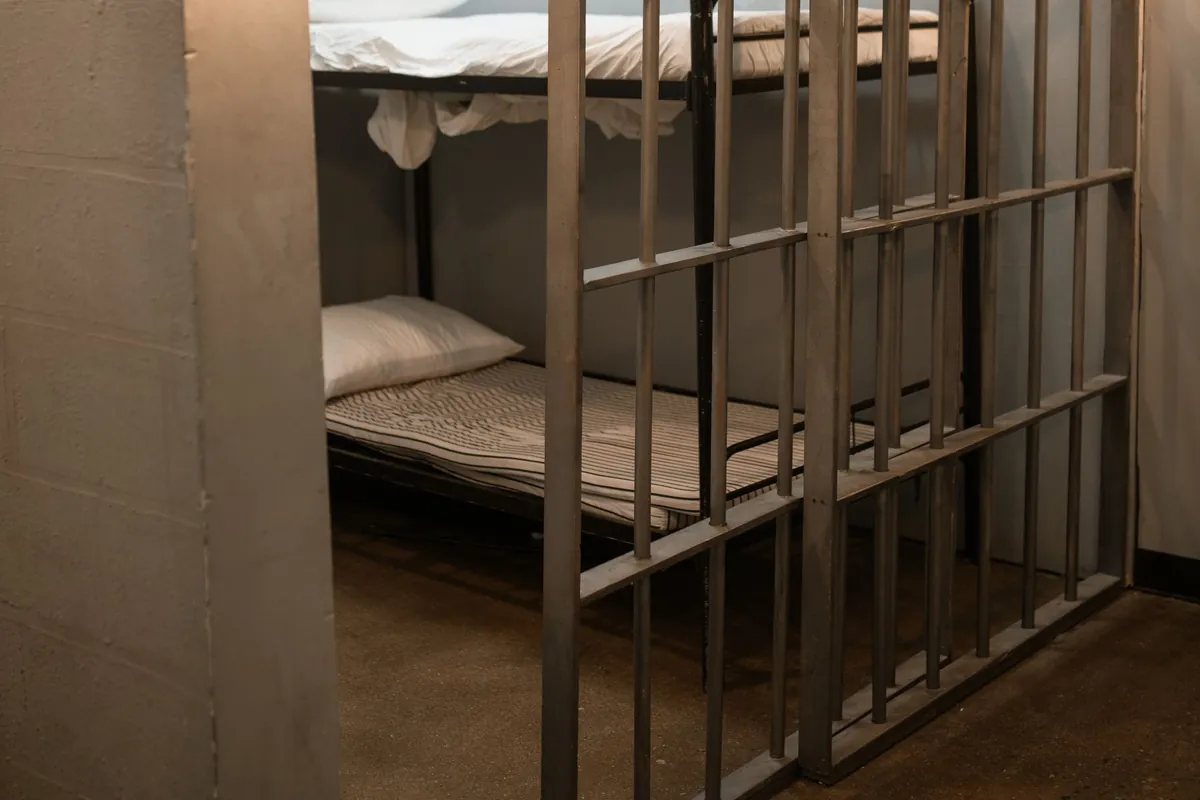
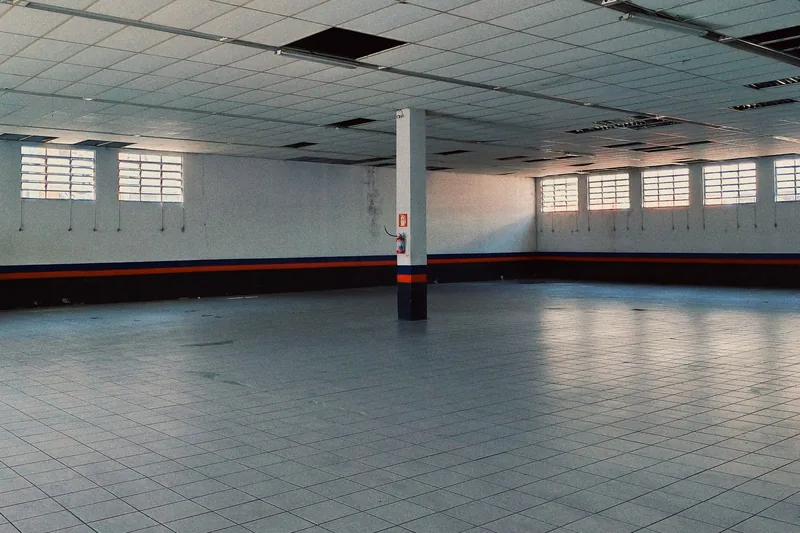
Jail and holding cell cleanup means safely controlling and removing blood, human waste, bodily fluids, sharps and other contamination in cells, interview rooms, booking areas and connected secure spaces, then cleaning and disinfecting the affected surfaces and treating odor.
This cleaning service starts after the facility confirms the area is no longer part of an active investigation. Correctional staff keep control of access, keys and occupant movement. Cleanup technicians focus on the affected area and surrounding areas where shoes, equipment or fluid may have carried contamination.
Routine janitorial methods are not enough for this remediation. Cleanup technicians put on protective equipment and create a boundary between clean and contaminated zones. Materials that cannot be disinfected are removed, while suitable surfaces receive a disinfectant registered with the EPA for the label's entire contact time. Applicable rules guide packaging sharps and hazardous waste for their proper waste streams.
Photos where permitted, scope notes and available waste records can support facility files, property owners and insurance companies.
Access routes, escort requirements, available work periods and movement restrictions vary for every situation. Sharing those details helps your facility plan the work around its security needs.
Items held as personal property or marked as evidence remain where they are until your authorized representative gives direction.
Before the affected area reopens, your scope identifies included cleaning services such as contaminated material removal, disinfection, odor treatment and waste disposal.
When contamination reaches absorbent materials or exceeds a normal custodial spill, professional cleanup is needed. Examples include:
Never use your hands to pick up loose needles, contaminated fragments or makeshift sharps, and do not discard them in standard trash.
Feces on hard surfaces or soaked into bedding and other porous items requires controlled removal, cleaning, disinfection and odor removal.
After authorized personnel finish gathering evidence and clear the location, a booking room, cell or interview area may require biohazard remediation.
An altercation, injury or medical event can leave blood on walls, bunks, hardware and flooring joints. Assessment should cover both the apparent area and surrounding transfer routes.
Before cleanup technicians come into the area, these initial steps help preserve evidence, protect staff and prevent contamination from spreading:
Call (888) 440-9227Credible guides do not publish a cost range for jail cleanup. A range of $2,500 to $8,000 appears for most residential projects, while $1,800 to $4,500 is the residential average. The typical national figures run from $3,000 to $5,000 nationally, and the complete published figures span $1,500 to $25,000 overall. Jail cell pricing is separate from these figures and depends on the facility scope found during assessment.
Published national cost guides are the source for these ranges, rather than an inspection of your property. After an on-site assessment, the price for your property is determined and shared with you before cleanup begins.
Ask about cost: (888) 440-9227The facility usually arranges payment, unless its responsible operating entity does so, whether that entity is public or private. How payment works depends on the incident, the property, contract terms and insurance terms.
A county, municipality, private operator or building owner may have different duties. Who can approve payment is set by facility policy and the controlling contract.
Save waste paperwork, the incident reference and approved scope, along with completion photos when permitted. If insurance assistance is needed, ask the insurance company what records it can receive without revealing restricted details.
Your purchasing contact or administrator can confirm which approved purchase order, work order or emergency procurement process applies at the location.
If the incident could involve insurance, report it, record the claim number and find out what waste paperwork, photos and scope documentation must be submitted.
Facility security needs and the contamination involved shape the cleanup plan. Throughout the job, the affected space should remain divided from clean areas, and each completed task should be clearly documented.
The released area is assessed with the facility contact so technicians can note visible contamination and potential transfer paths while leaving possible evidence undisturbed.
The secure space is marked to show where cleaning will occur. Technicians wear protective equipment appropriate for the present fluids, surface types and sharp objects.
Approved puncture-resistant containers receive needles and all other sharp items immediately. Loose contaminated waste is collected without compressing bags by hand.
When contamination soaks into unfinished wood, bedding, damaged walls or other absorbent materials, removal is needed if they cannot be completely disinfected. After biohazard cleaning, needed repairs and restoration services are evaluated as separate work.
Soil is cleaned from hard surfaces first. After cleaning, apply an EPA-registered disinfectant and maintain wetness for all of the label's stated contact time.
If assessment identifies a need to treat the air, HEPA air scrubbers, hydroxyl generators or similar equipment may be used after source removal.
Closed and labeled waste containers follow the required route for disposal. Available paperwork may be stored as part of the facility incident record.
All affected areas are checked for soil, missed surfaces and cleaning residue left behind. Before the room reopens, the facility representative verifies that the agreed scope is complete.
Phone any hour. A specialist in jail and holding cell cleanup takes your call, explains each step and agrees on a start time with you.
Hidden sharps, bodily fluids, blood and human waste may put occupants, correctional staff and the person cleaning the space at serious health risk.
Possible bloodborne hazards include hepatitis C, HIV and hepatitis B. Because the CDC says hepatitis B may persist on surfaces for at least seven days, even dried blood calls for thorough cleaning and disinfection.
A person may be injured, or a bag pierced, by blades, needles and sharp pieces. They need a puncture-resistant sharps container and the correct waste disposal path. Unknown hazardous materials should remain undisturbed while the facility confirms which safety procedure applies.
A small secure room can hold strong odor, especially when waste reaches bedding, grout, floor joints or drains. Take away the source before beginning any air treatment.
Can you clean it yourself? Who is permitted to clean a minor spill depends on facility procedure. At minimum, the person needs suitable protective gear, an EPA-registered disinfectant and enough wet contact time for the product to work. When contamination is not visible, has spread widely, includes sharps or penetrates absorbent material, arrange professional cleanup.
The duration varies with the number of affected areas, access for security, material types, waste volume and the need for odor treatment. After an assessment of the released area, the cleanup team can establish the work window.
| Scene | Typical time on site |
|---|---|
| One cell with hard-surface contamination | Work window set after assessment |
| A single cell requiring removal of porous materials | Longer than hard-surface cleaning |
| A group of cells, corridors and common spaces | Often planned in secure phases |
Effective odor removal starts with locating the source and taking it away. Residue in drains or floor joints, human waste, affected bedding and bodily fluids need attention before deodorizing equipment is used. Covering the smell with fragrance does not clean the contaminated area.
The room receives another check once cleaning and disinfection are complete. If appropriate for that space, hydroxyl equipment may reduce odor that remains, while HEPA air scrubbers can collect particles from the air. Nearby surfaces and ventilation covers are inspected because leftover residue may continue to affect air quality.
The OSHA Bloodborne Pathogens Standard, 29 CFR 1910.1030, requires specific work methods, protective equipment and training where employees could have blood exposure.
Choose an EPA-registered disinfectant for the organism involved, then keep the surface wet throughout the label's complete contact period.
Alabama treats soaked materials from a biohazard scene as medical waste when they are saturated to the point of dripping blood. The Alabama Department of Environmental Management's rules control packing, transport and treatment, so it cannot go in household trash.
Alabama uses a county coroner system, with no statewide medical examiner, and the Alabama Department of Forensic Sciences performs autopsies and supports death investigations for coroners. Cleanup starts after police or the coroner release the scene. Authorized facility staff should also confirm that evidence collection is complete before cleaning starts.
The full jail and holding cell cleanup guide covers what is cleaned or removed, odor and air quality work, and the rules that apply in Alabama.
Read the full jail and holding cell cleanup guide
Local population patterns, housing and site access may affect how containment and cleanup are planned.
Sunrise East is listed about 4.4 miles from St. Vincent's East, a relevant distance when prompt evaluation follows a biohazard exposure.
Nearby communities include Huffman, Roebuck, and East Lake, useful geographic references when explaining a property location to a cleanup crew.
Neighborhood level directions help narrow the location, but crews still need entrance details before bringing containment and cleaning equipment inside.
During your call, ask whether cleanup is available in surrounding communities and ZIP codes.
Bodily fluid cleanup and disinfection for homes, care settings and businesses.
See bodily fluid cleanup
Carpet, solid floors, walls and furnishings receive blood cleanup that includes safe disposal.
See blood cleanup
Human feces cleanup and disinfection in homes, rentals and public restrooms.
See human feces cleanup
Vomit cleanup and disinfection to stop norovirus and other germs from spreading.
See vomit cleanup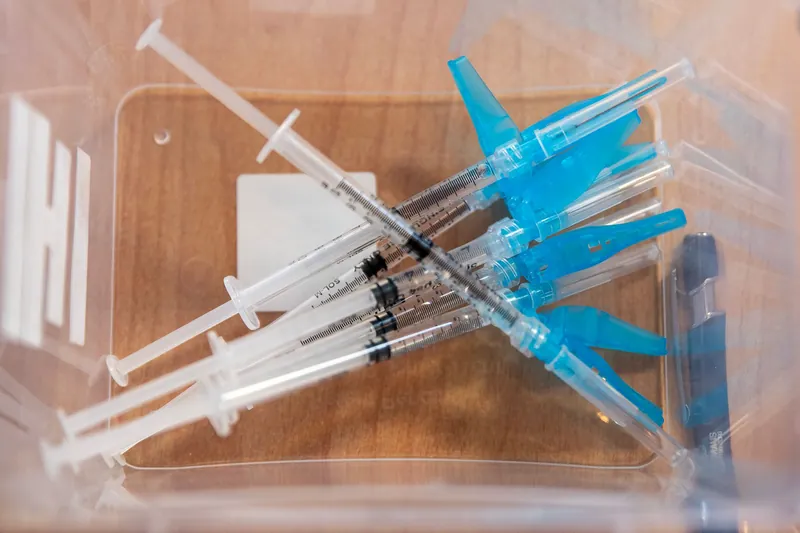
Needles and other sharps are removed from rentals, yards, encampments and parks.
See needle and sharps cleanup
Pickup and disposal of biohazard waste use containers that are sealed and labeled.
See biohazard waste disposal
Planning for industrial and commercial biohazard cleanup considers operations and access to the site.
See commercial and industrial biohazard cleanupYour policy conditions, the affected property and what happened shape possible coverage. The responsible public or private operator, or the facility itself, typically makes payment arrangements. Your administrator, risk representative or purchasing contact can identify who approves the scope and what incident documentation is needed.
Cleanup duration can be set after evaluating the area that was released. Cleaning one area with hard surfaces requires different work than several cells affected by odor, sharps, bedding or wall materials. Secure access, staff escorts and waste movement can also affect the work window. Phased work can allow other areas to remain operational during a larger project.
Credible published pricing does not include a jail-specific range. Published general biohazard cleanup guidance lists $1,800 to $4,500 as the residential average and $3,000 to $5,000 as the typical national range, respectively. These numbers are solely for context. The area assessment, affected materials, waste volume, security requirements and odor treatment determine your price.
Careful inspection locates sharps, which go straight into approved puncture-resistant containers. Sharps do not belong in standard trash and should not be bent or collected using unprotected hands. Other waste is kept separate so a hidden needle does not puncture a bag or expose staff during waste disposal.
Yes, the cleanup scope can address odor after taking out contaminated items and cleaning away visible residue. Damaged finishes, floor seams, bedding and drains may retain the material causing odor. Once the source is removed, technicians can clean surrounding surfaces and may operate appropriate equipment to treat the air. Fragrance alone does not remove the contamination causing the odor.
When contamination remains on its sealed exterior, a non-porous mattress cover without damage may be cleaned. Removal may be necessary if liquid penetrated a torn mattress or any absorbent material. Whether the item can remain depends on its construction, current state and access to every contaminated surface for cleaning and disinfection.
Respectful, discreet jail and holding cell cleanup is available 24 hours a day, and crews arrive in unmarked vehicles.